
How to Protect Your Home from Storm Damage in Tennessee
BG
Understanding Tennessee's Storm Risks
Living in Tennessee means being prepared for a variety of weather conditions, including severe storms. The state experiences tornadoes, thunderstorms, and even the occasional hurricane remnants. Understanding these risks is the first step in protecting your home. By knowing what to expect, you can take proactive measures to safeguard your property and loved ones.

Conduct a Home Inspection
Before storm season hits, conduct a thorough inspection of your home. Look for potential vulnerabilities such as loose shingles, damaged gutters, or weak points in windows and doors. Addressing these issues early can prevent significant damage later. Hiring a professional to assess your home can provide additional insights and peace of mind.
Roof and Gutters
Your roof is your home's first line of defense against storms. Ensure all shingles are intact and securely fastened. Clean and clear your gutters to ensure proper drainage, as clogged gutters can lead to water damage and leaks.

Windows and Doors
Check that all windows and doors are in good condition and seal properly. Consider installing storm shutters or impact-resistant glass if you live in an area prone to high winds. Reinforcing doors with sturdy hardware can also provide added protection.
Secure Outdoor Items
Strong winds can turn outdoor furniture, decorations, and equipment into dangerous projectiles. Secure or store these items indoors before a storm hits. This simple step can prevent damage to your home and surrounding properties.

Emergency Preparedness Plan
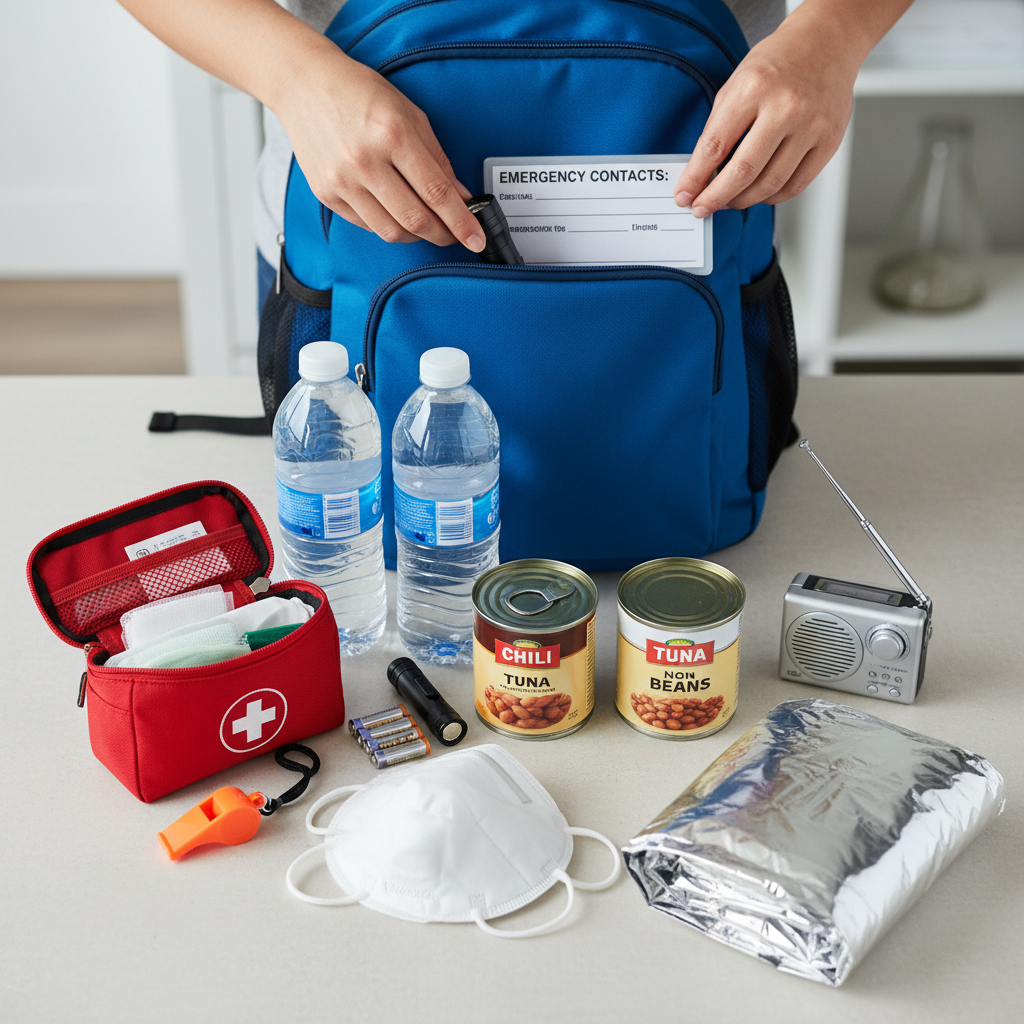
Having an emergency preparedness plan is crucial. Ensure all family members know the plan and have access to emergency supplies. This includes water, non-perishable food, flashlights, batteries, and a first-aid kit. Keep a list of emergency contacts and important documents in a waterproof container.
Communication Strategy
Establish a communication strategy with family and friends. Identify safe areas in your home where everyone can gather during a storm. Regularly review and practice these plans to ensure everyone knows what to do.
Insurance and Financial Preparation
Review your homeowner's insurance policy to ensure it covers storm damage. Understanding your coverage limits and potential out-of-pocket costs is essential. Consider additional coverage if necessary, especially if you live in a high-risk area.
By taking these proactive steps, you can significantly reduce the risk of storm damage to your home. Protecting your property and loved ones requires planning and diligence, but the peace of mind it brings is well worth the effort.